
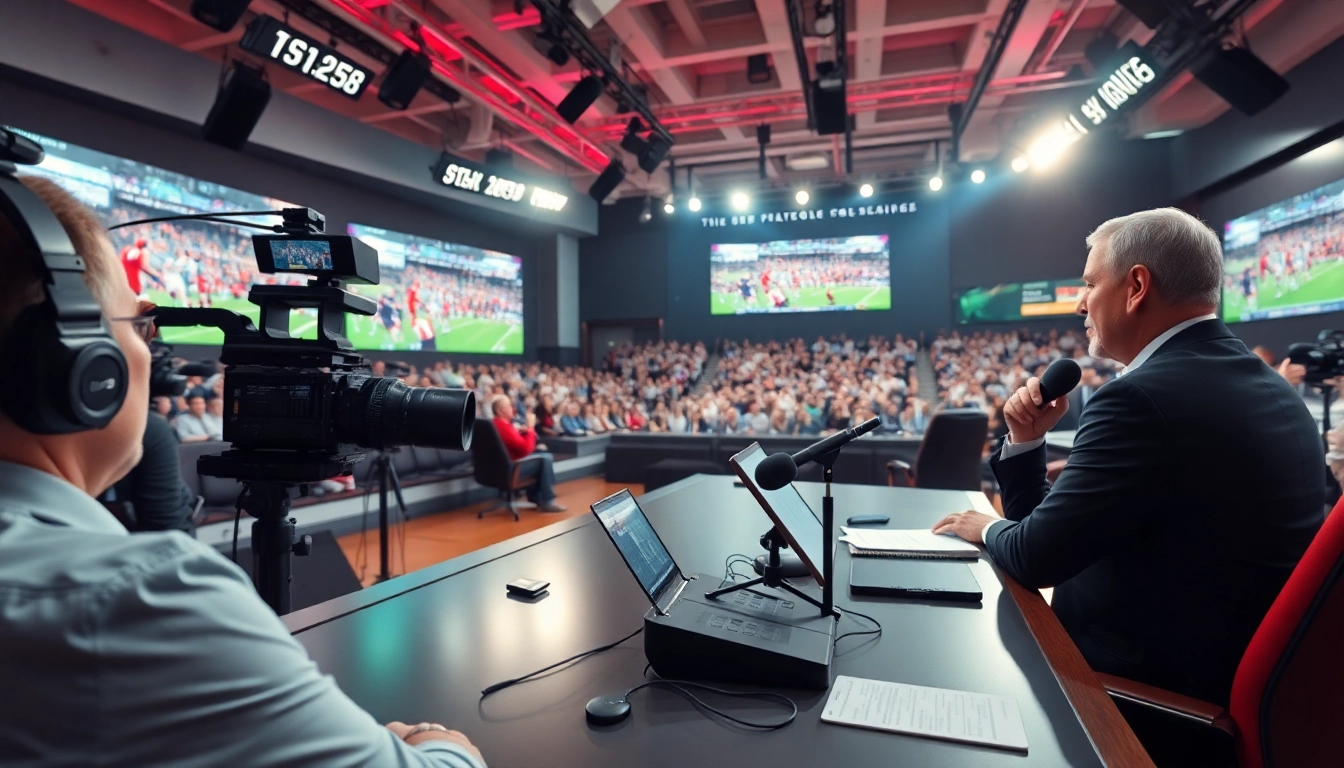
Understanding Sports Broadcasting
What is Sports Broadcasting?
Sports Broadcasting refers to the dissemination of live and recorded sports events through various media platforms, including television, radio, and online streaming services. It involves not only the act of showing the games themselves but also encompasses analysis, commentary, interviews, and interactive elements that enrich the viewer's experience. The goal is to engage fans and offer insights that enhance their understanding and enjoyment of the sport. In this rapidly evolving field, staying ahead means adapting to new technologies and audience expectations. To explore innovative strategies and insights in Sports Broadcasting, professionals must continually invest in both technological capabilities and audience engagement techniques.
History and Evolution of Sports Broadcasting
The history of sports broadcasting can be traced back to the early 20th century with radio broadcasts of major sporting events, such as the World Series. The medium quickly evolved with the advent of television, which transformed how fans accessed games, introducing visual elements that radio could not provide. With the expansion of cable networks in the 1980s and sports networks like ESPN, the sports broadcasting landscape diversified significantly. The late 20th and early 21st centuries ushered in the digital age, with the emergence of streaming services that changed the traditional broadcasting model, allowing for on-demand access to sporting events from anywhere in the world.
Key Terms in Sports Broadcasting
- Play-by-Play: The live commentary of a sporting event.
- Color Commentary: Expert analysis provided during the event.
- Live Streaming: Broadcasting events in real-time over the internet.
- Pay-Per-View: A service allowing viewers to purchase access to specific events.
- Rights Fee: The payment made by broadcasters to leagues for airing their events.
Technologies Shaping Sports Broadcasting
Current Technologies in Sports Broadcasting
The landscape of sports broadcasting is increasingly shaped by cutting-edge technologies. High-definition (HD) and ultra-high-definition (UHD) video have become standard, offering viewers crisp, clear images. Advanced graphics and data visualization have also grown, providing fans with real-time statistics and insights during broadcasts. Furthermore, technologies such as cloud computing enable broadcasters to manage large volumes of content efficiently and facilitate multi-platform streaming. Integration of audience interaction features, like polls and instant feedback mechanisms, is also on the rise, creating an engaging viewer experience.
Impact of Streaming on Sports Broadcasting
The rise of streaming platforms has profoundly transformed sports broadcasting, challenging traditional cable networks. Services such as Amazon Prime Video and YouTube TV offer viewers flexible subscription options and the ability to watch on various devices, appealing to younger, tech-savvy audiences. Streaming allows for more personalized content, such as localized coverage of events, providing fans with tailored experiences. Additionally, the concept of binge-watching has been adapted for sports, as streaming platforms compile highlights and classic games for on-demand viewing.
The Role of VR and AR in Enhancing Broadcasts
Virtual Reality (VR) and Augmented Reality (AR) are emerging as transformative technologies in sports broadcasting. VR creates immersive environments that allow viewers to experience games as if they were present, significantly enhancing fan engagement. AR can overlay information directly onto the live broadcast, such as player stats, scores, and graphics, thereby enriching the viewing experience. These technologies create interactive content that engages audiences in new ways, fostering a deeper emotional connection to live events.
Challenges in Sports Broadcasting
Legal and Ethical Challenges
Sports broadcasting is fraught with legal and ethical challenges that can complicate operations. Intellectual property rights play a significant role, as broadcasters must navigate the complexities of licensing agreements and content ownership. Furthermore, issues of representation and bias in commentary can lead to ethical concerns regarding how sports stories are told. Maintaining compliance with broadcast regulations and addressing viewer sensitivities is crucial for preserving credibility and trust.
Technical Difficulties in Live Broadcasting
Live broadcasting presents unique technical challenges, including maintaining signal integrity, managing equipment failures, and ensuring high-quality visuals and sound. Weather conditions and unexpected events can impact outdoor broadcasts, leading to delays or subpar experiences. Broadcasters must invest in robust technology and backup systems while training staff to handle emergencies to minimize disruptions.
Competition Among Broadcasters
The competitive landscape of sports broadcasting is fierce, with many networks vying for exclusive rights to popular leagues and events. This competition drives innovation but can also lead to high stakes bidding wars for content rights. Broadcasters must differentiate themselves through quality of broadcast, unique features, and superior viewer engagement strategies to capture and retain audiences in a crowded market.
Best Practices for Engaging Sport Audiences
Creating Interactive Content
To engage modern audiences, broadcasters must create interactive content that encourages viewer participation. This can include trivia games, live polls during events, and opportunities for viewers to submit questions to commentators. Authentic engagement fosters loyalty and strengthens the relationship between fans and the content being presented, transforming passive viewers into active participants.
Leveraging Social Media for Audience Engagement
Social media is an indispensable tool for broadcasters seeking to enhance audience engagement. Platforms like Twitter, Instagram, and TikTok allow broadcasters to reach fans directly, share behind-the-scenes content, and create bite-sized highlights. Engaging with viewers in real-time during games can extend the conversation beyond the broadcast and create communities around shared interests.
Personalizing the Viewing Experience
Personalization is key to maintaining audience interest in sports broadcasting. Broadcasters can utilize data analytics to tailor content to viewers' preferences, offering customized highlight reels, recommended viewing options, or exclusive interviews. This level of personalization enhances user satisfaction and increases the likelihood of them returning for future broadcasts.
Future Trends in Sports Broadcasting
Emerging Technologies to Watch
As technology continues to evolve, sports broadcasting will see the introduction of artificial intelligence (AI) for content creation, 5G technology for faster and more reliable streaming, and blockchain for secure transactions and content rights management. Staying informed on these emerging technologies will be crucial for broadcasters aiming to innovate and remain competitive.
The Rise of Data Analytics in Sports
Data analytics is becoming increasingly important within sports broadcasting, offering insights into player performance, viewer behavior, and game statistics. Broadcasters are using this data to inform their commentary, improve engagement strategies, and tailor advertisements to specific viewer demographics, leading to smarter productions and enhanced user experiences.
Predictions for Sports Broadcasting in the Next Decade
In the coming decade, sports broadcasting is poised to experience significant shifts as audiences demand more personalized and immersive viewing experiences. The integration of AI, machine learning, and more robust data analytics will play a pivotal role in shaping how sports are consumed. As broadband access improves globally, regional sports broadcasting may expand into more diverse markets, creating opportunities for localized content delivery.
FAQs About Sports Broadcasting
What is Sports Broadcasting?
Sports Broadcasting involves airing live and recorded sports events through various platforms, combining game footage with analysis and commentary.
How has streaming changed Sports Broadcasting?
Streaming has allowed viewers to access games on-demand, transforming their viewing habits, and providing greater flexibility and personalization.
What technologies are impacting Sports Broadcasting?
Technologies such as AR, VR, and AI are enhancing the viewer experience by providing immersive environments and data-driven insights.
What challenges do broadcasters face today?
Broadcasters encounter legal, technical, and competitive challenges, including licensing rights, maintaining broadcast quality, and differentiating from competitors.
What are best practices for engaging sports audiences?
Best practices include creating interactive content, leveraging social media for fan engagement, and personalizing the viewing experience based on viewer preferences.